Home / Services / Injection Wall Foam
Residential & Commercial
Injection Wall Foam for Existing Lafayette Homes
Most Lafayette homes were built before modern insulation standards, and their closed wall cavities are often empty or filled with settled, underperforming material.
How Injection Foam Works
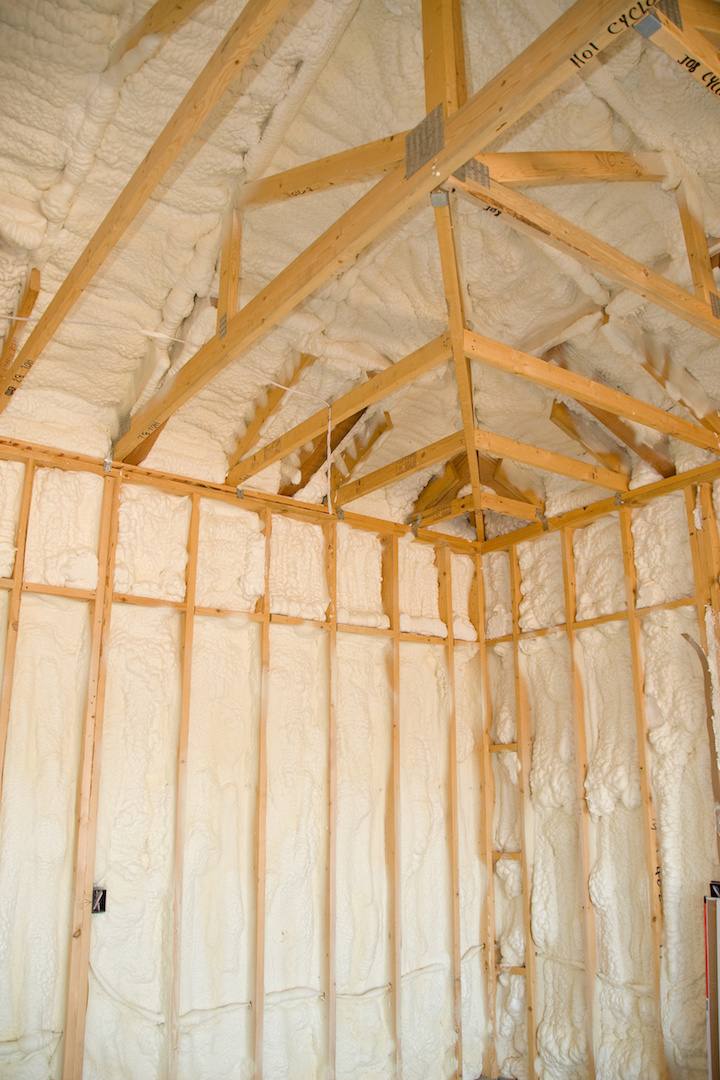
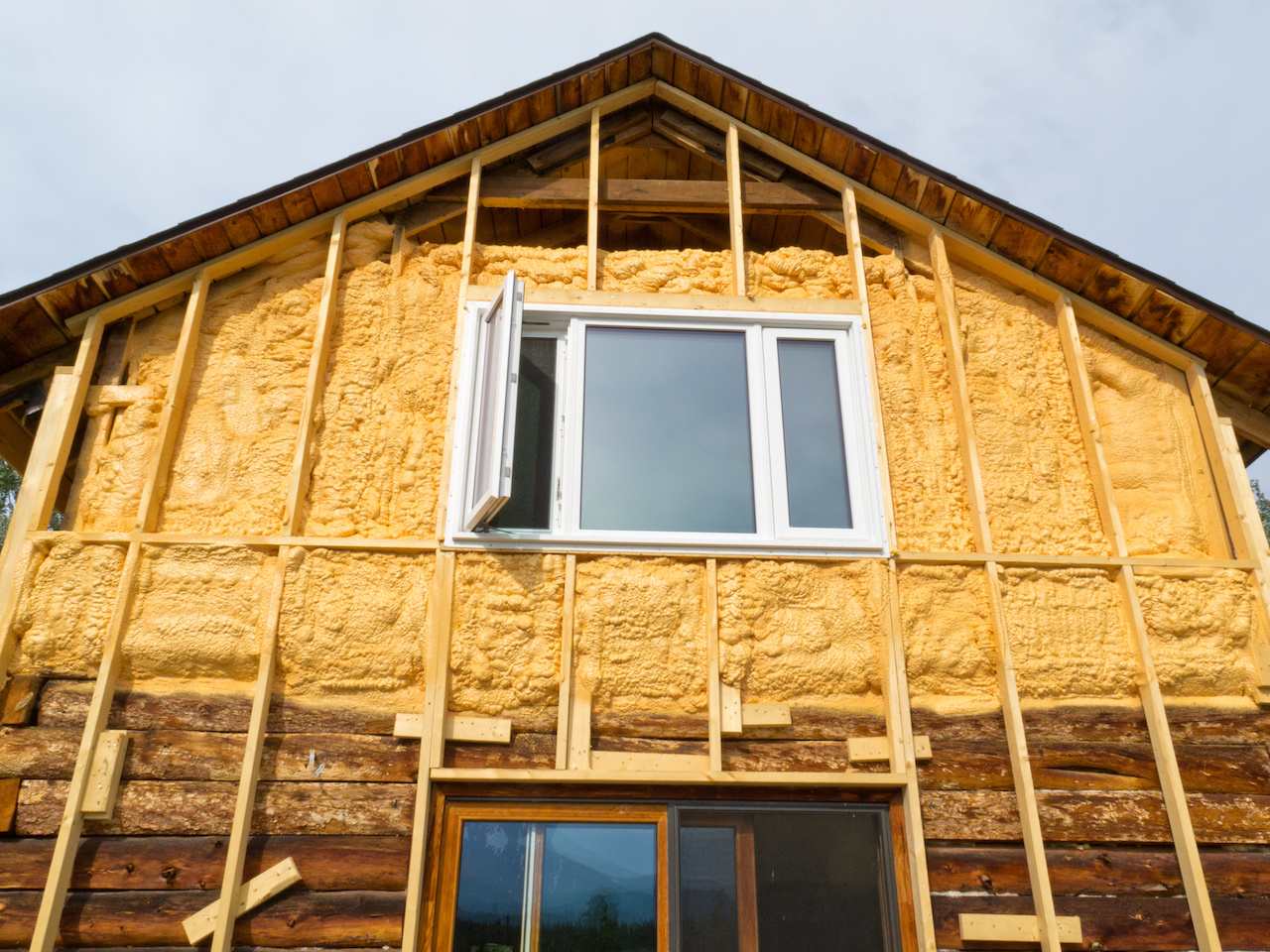
Small openings are made in the wall, outside between siding courses, or inside through drilled holes that are patched afterward. Foam is injected into each stud bay until the cavity is full, closing the cracks and air passages that let outside air move through the wall. The wall becomes a continuous thermal barrier, the same principle our spray foam work applies to open walls and attics.
When Injection Foam Is the Right Choice
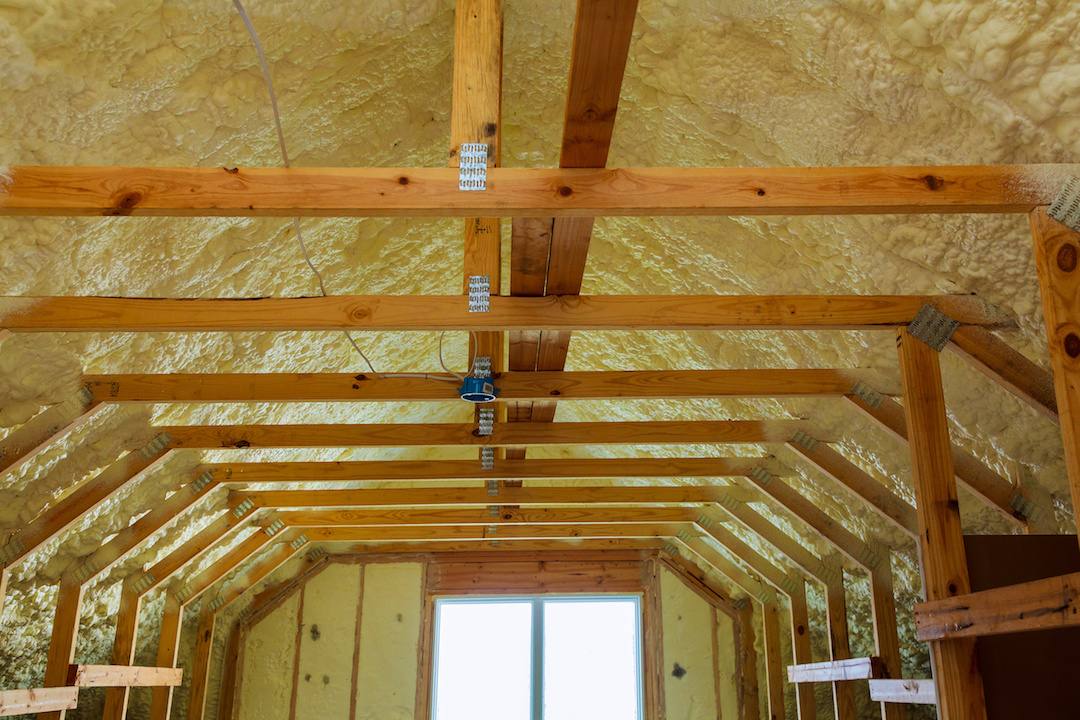
Injection foam is the practical option when walls are finished and staying that way: occupied homes, completed renovations, and buildings where opening every wall is not realistic. For open framing, new construction, attics and crawl spaces, conventional spray foam is the better fit, see our crawl space insulation service, or ask us which approach suits your project.
Call (765) 221-3599 for a free assessment of your walls.
Serving Northern Indiana, Not Just Lafayette
Injection wall foam is a specialist retrofit, and there are not many crews running it in this part of the state. We travel for it across northern Indiana — Tippecanoe County first, but the surrounding counties regularly too, because a house with empty walls is worth the drive and most owners cannot find anyone local who does this work.
If you are outside Lafayette and have been told your only option is to tear the walls open, call before you accept that. It is frequently not true.
How We Know the Cavity Actually Filled
Injecting foam into a cavity nobody can see carries one real risk: you cannot visually confirm the fill. So we inject each stud bay individually rather than assuming one hole serves a whole run, and we account for the blocking, fire-stops and bracing that interrupt cavities in older framing. A bay with mid-height blocking needs access above and below it, and missing that leaves half a wall empty.
That is the difference between a wall that is full and a wall that looks full from outside.
What We Check Before Quoting
What is already in the cavity, because injecting on top of wet or compacted old material is not an improvement. Whether there is knob-and-tube or other wiring that must be assessed first — not unusual in the older housing around Lafayette. The exterior finish, because patching brick, vinyl, stucco and timber are very different jobs with very different results. And any history of water getting into the wall, since a wall that gets wet needs the water dealt with before it is filled.
If we find a reason this is the wrong method for your wall, we will say so and quote a different approach instead.
About the Patching
The part owners care about most is what the wall looks like afterwards, and it is fair to be sceptical. Patched holes in painted drywall can be made effectively invisible once repainted. Patches under vinyl or timber siding, where the siding is removed and replaced over the holes, are usually undetectable. Patches in brick or stucco are matched as closely as the material allows but are more likely to stay faintly visible on close inspection.
We tell you which of those your house is before you commit, rather than promising an invisible finish on a material that cannot deliver one.
Why Empty Walls Matter in an Indiana Winter
Walls are the largest surface of a house — an attic is a lid, the walls are four elevations. A house built before wall insulation was routine loses heat across every one of them, and no amount of attic work compensates for that. Filling the cavity is usually the single largest comfort improvement available without renovating.
Questions
Common questions
Is the estimate free?
Yes. Free, written and itemized before any work begins.
Do you serve my part of Indiana?
We serve Lafayette, West Lafayette, Tippecanoe County and the surrounding communities; call and ask if you are nearby.
How soon can you start?
Estimates are usually scheduled within days, and most residential projects are completed in one visit.
Do you work outside Lafayette?
Yes. Injection wall foam is a specialist retrofit and there are few crews running it in northern Indiana, so we travel for it across the surrounding counties, not just Tippecanoe.
Will I see where the holes were?
In painted drywall, effectively no once repainted. Under vinyl or timber siding that is removed and replaced, usually no. In brick or stucco the patch is matched as closely as the material allows but may stay faintly visible. We tell you which case applies up front.
How do you know the whole cavity filled?
By injecting each stud bay individually rather than assuming one hole serves a run, and by accounting for blocking and fire-stops that divide cavities in older framing.
Our house has knob-and-tube wiring. Can you still do it?
That has to be assessed before anything is injected. It is not unusual in older Lafayette housing and it is one of the things we look for on the inspection.
Want to know what your project would cost?
Tell us about the property and we'll help you determine the next step.
Free written estimates • No obligation • Local team
Explore more